



Local postage rate
The local rate was introduced during the French Revolution, but concerned only a very small proportion of local mail. The introduction of the rural postal service in April 1830 led to a wider range of uses for this rate.
History
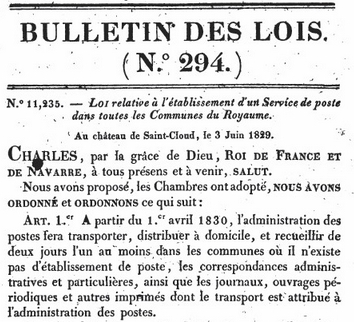
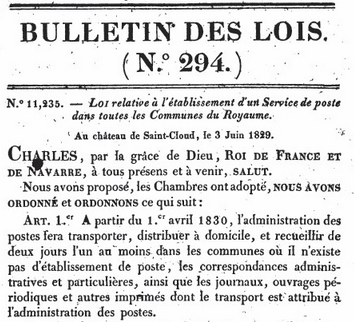
The local postage rate expanded in 1830 with the creation of the rural post office and ended in 1878 when the territorial and local rates were combined.
Postmarks and rates

The introduction of rural postal service led to the creation of several postmarks and dedicated tariffs.
The additional rural decime
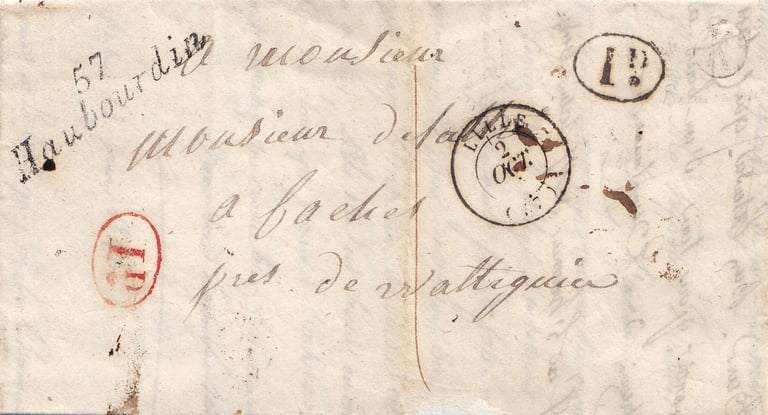
The introduction of the rural postal service required considerable expenditure on the part of the Post Office. These expenses were partly covered by the introduction of an additional fixed tax: the additional rural decime.
Introduction of the postage due stamp
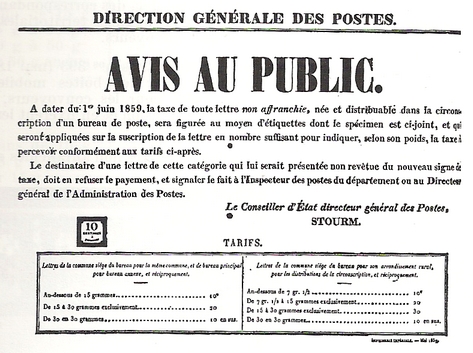
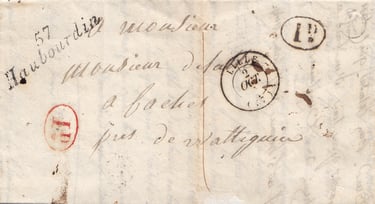
The postage due stamp (Chiffre-Taxe) appeared in 1859 and was used to show the taxes applied to postage due letters.
Joined head post offices
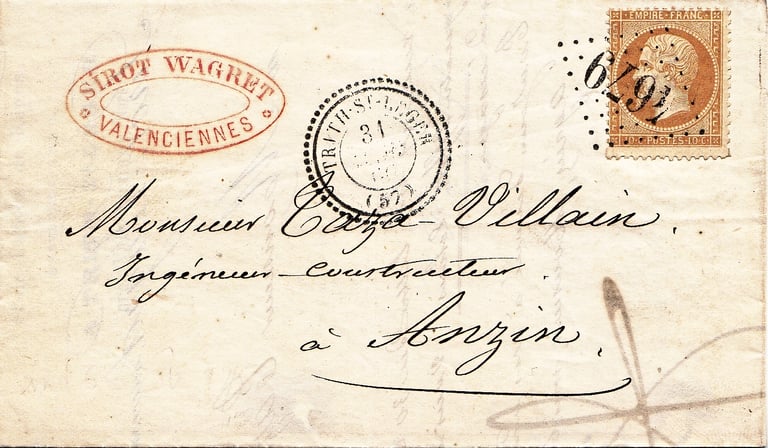
The joined head post offices (Recettes réunies) tariff was introduced in 1854 and applied to 38 provincial head post offices, including 5 in the Nord department.
Special local rates
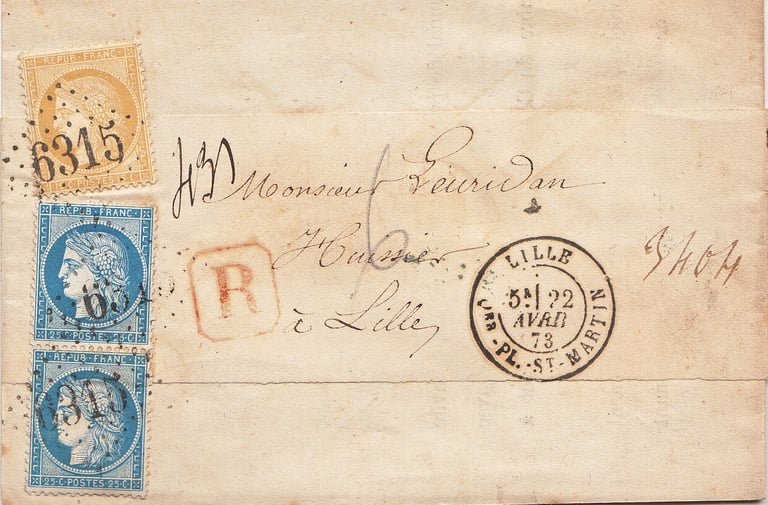
Over time, the local rate has adapted to the introduction of new postal items.

